


What are CEO Fraud and Phishing? A Detailed Guide to Combating Digital Fraud Methods.
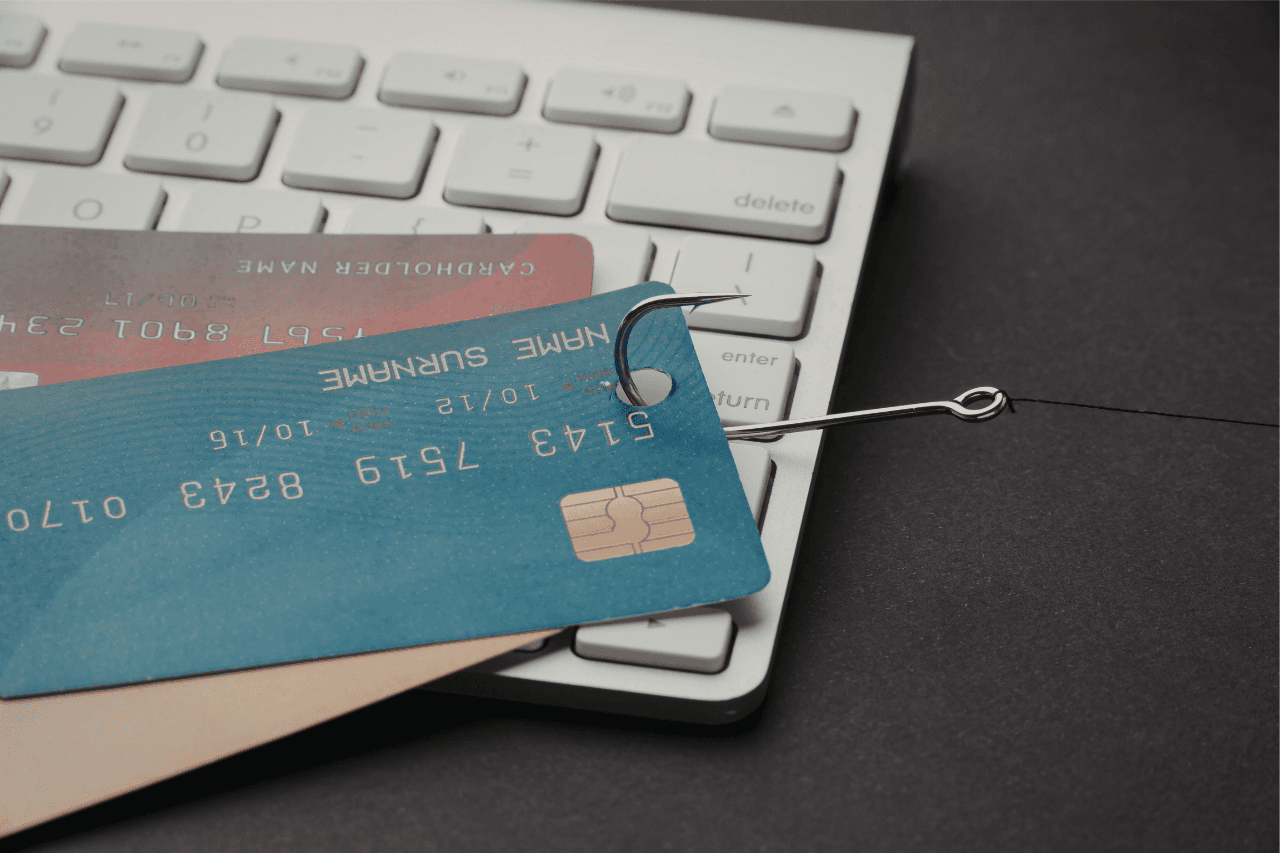


The proliferation of digital communication channels has accelerated business processes but has also led to the development of cyber fraud methods. Today, companies and individuals can suffer significant financial and reputational losses through attacks carried out via email, SMS, telephone, and fake websites. Among the most common and dangerous types of these attacks are CEO Fraud and Phishing.
What is CEO Fraud?
CEO fraud is a type of targeted attack where cybercriminals impersonate a company's top executive to deceive employees. In this method, fraudsters typically use the name and title of an authorized person, such as CEO, CFO, general manager, or board member.
The goal is to persuade employees to make an urgent payment, conduct a bank transfer, or share confidential information. Attacks most often target accounting, finance, and human resources departments.
How Do CEO Fraud Attacks Occur?
CEO fraud attacks typically proceed in a planned and phased manner:
Preliminary Research
Attackers thoroughly examine the company's organizational structure and executives. LinkedIn profiles, the company website, press releases, and social media posts are important resources at this stage.
Creating Fake Communication
Fake email addresses are created that closely resemble the real email address. Changes in lowercase letters often go unnoticed.
Emphasis on Urgency and Confidentiality
Messages use phrases such as "very urgent," "confidential," and "do not share with anyone" to reduce the likelihood of the employee questioning.
Request
Usually, a quick money transfer, payment to a new bank account, or sharing of sensitive information is requested.
Psychological pressure and the perception of authority are the most important elements in this type of attack.
Examples of CEO Fraud Attacks
An email sent in the CEO's name requests immediate payment for an urgent purchase.
It is stated that the senior executive is abroad and cannot be reached by phone.
The finance department is instructed to make a payment to a new IBAN.
These types of attacks are usually discovered after the transaction is completed.
What is Phishing?
Phishing is a cyber fraud method aimed at stealing users' personal, financial, or corporate information. Attackers impersonate reputable institutions or brands and send fake messages.
Phishing attacks target not only companies but also individual users. Bank information, passwords, credit card numbers, and account access can be obtained through these attacks.
How are Phishing Attacks Carried Out?
Phishing attacks generally use the following methods:
Fake bank or e-commerce emails
Account suspension or verification required warnings
Shipping notification or invoice messages
Links that redirect to very similar fake websites
The attack is successfully completed when the user clicks the link or enters their information.
What are the Types of Phishing?
Email Phishing
This is the most common phishing method. The user is asked to click on a link or download an attachment.
Spear Phishing
These are targeted attacks specifically designed for a particular person or company.
Smishing
These are phishing attacks carried out via SMS.
Vishing
These are fraudulent attempts carried out through phone calls.
How to Identify Phishing Attacks?
To recognize phishing attacks, pay attention to the following details:
The sender's address may appear corporate but contains minor spelling errors.
It creates a sense of panic and haste.
Clicking the link redirects to a different site.
The messages contain grammatical and spelling errors.
These signs often allow for early detection of the attack.
Why are CEO Fraud and Phishing So Effective?
The main reasons for the success of these types of attacks are:
Over-reliance on digital communication
Overlooked details due to a busy work schedule
The habit of unquestioningly following instructions from upper management
Low cybersecurity awareness
Small and medium-sized enterprises (SMEs) are particularly vulnerable to these risks.
Security Measures Companies Can Take
The main measures that can be taken against CEO Fraud and Phishing attacks are as follows:
Double Approval Process
Money transfers and critical transactions must be approved by more than one authorized person.
Email Security
Email verification systems should be used, and suspicious addresses should be filtered.
Employee Training
Personnel should receive regular cybersecurity awareness training.
Written Procedures
Emergency payment and information sharing processes should be defined with clear rules.
Security Recommendations for Individual Users
Be wary of suspicious emails and messages
Check the address before clicking on links
Use strong and unique passwords
Activate two-factor authentication
The Impact of CEO Fraud and Phishing on Businesses
These types of cyberattacks can lead to:
Financial losses
Damage to company reputation
Legal liabilities
Reduced customer trust
Therefore, preventive security measures are of great importance.
Conclusion
CEO Fraud and Phishing are among the most common and dangerous cyber fraud methods of the digital age. These attacks target technical vulnerabilities as well as human behavior and trust.
Companies and individuals acting consciously, questioning suspicious situations, and not neglecting security measures are the most effective defenses against these threats.
Subscribe to Bayiloji
Don't miss updates, tips and special deals in the world of dealership.