


What is a Sales Funnel?
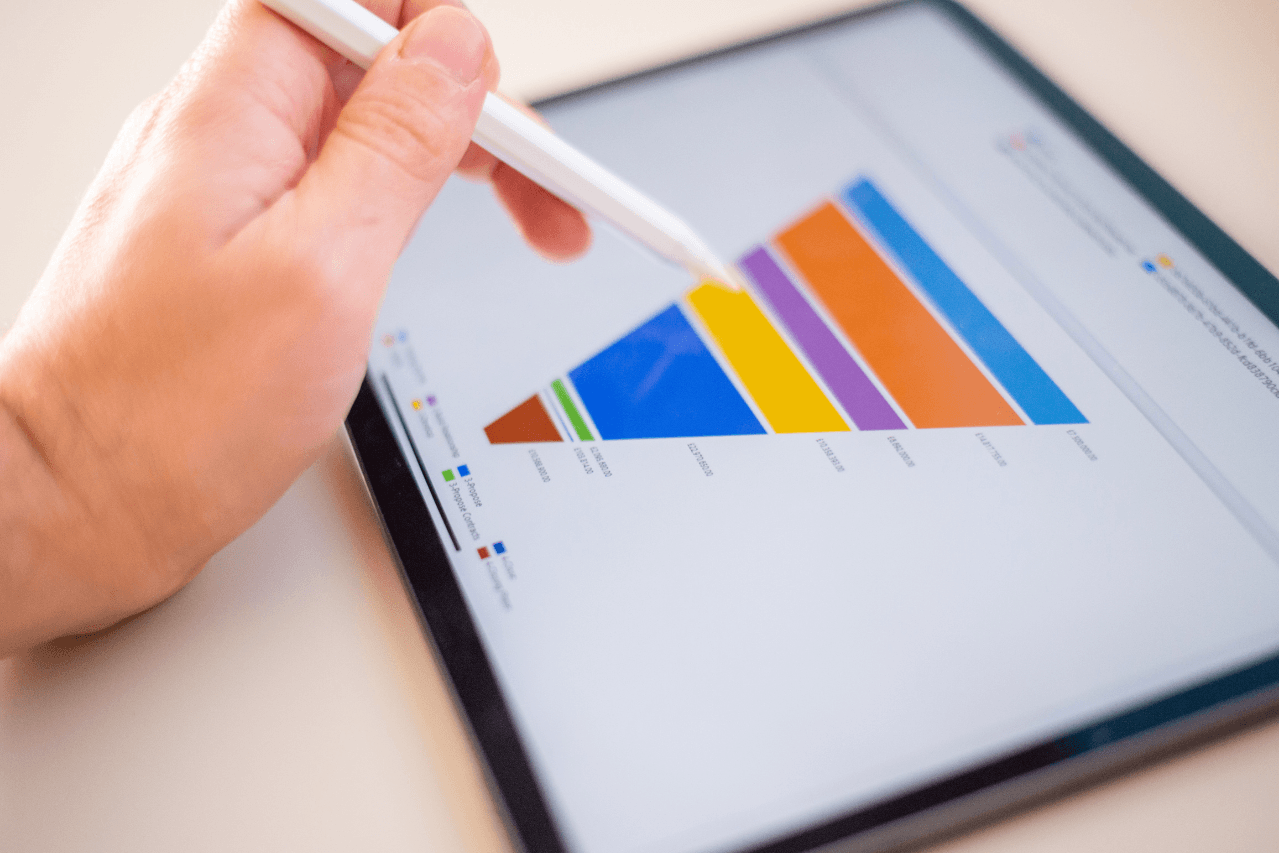


One of the concepts we hear frequently in the digital marketing world is the "sales funnel." However, many business owners are either unaware of this concept or think it's only relevant to social media. However, the sales funnel is one of the most important strategic tools for planning a business's journey to customers.
What is a Sales Funnel?
A sales funnel describes the entire process a customer goes through, from first hearing about your brand to the purchase stage.
The reason it's called a "funnel" is because the number of customers decreases at each stage, and the final purchase audience is smaller.
This model allows businesses to clarify the following questions:
How did the customer find out about me?
What drives their interest?
How do they make a purchase decision?
Why do some people abandon their purchase?
How can I improve these processes?
In short, a sales funnel allows businesses to manage their sales process systematically and measurably.
Why is a Sales Funnel Important?
Many small businesses leave the "making sales" process entirely to chance. However, successful businesses make a difference. They generate sales not by chance, but through planning.
A sales funnel is important because:
It makes the sales process measurable.
It helps you sell more at a lower cost.
It makes it easier to understand customer behavior.
It helps automate the sales process.
It increases brand trust.
What are the Stages of the Sales Funnel?
Traditionally, the sales funnel consists of four main stages:
Awareness
Interest
Consideration
Action
Some models also include loyalty. In the practical model used by dealerships, these four stages are clear and sufficient for businesses.
1. Awareness – The Customer Sees You for the First Time
At this stage, the customer's sole purpose is to notice you. They don't yet know you, your brand, or even realize they need your product.
What happens at this stage?
Instagram Reels, TikTok videos
Google search results
Blog posts
Influencer posts
Advertisements
Viral content
Trending videos
The goal here: Reach the right people as much as possible.
The biggest mistake made during the awareness stage is offering overly salesy content. Because these people don't yet know you, pushing them to "buy, buy, buy" is counterproductive.
2. Interest – Customers Start Following You
After awareness is created, it's time to generate interest. At this stage, customers want to learn more about your product or brand.
Effective content at this stage:
Posts explaining product/service benefits
Q&A content
Story interactions
How-to videos
Problem-solution content
Tips and recommendations
Guidance through blog content
The goal here is for customers to get to know you, trust you, and understand that you're a brand worth following.
3. Evaluation – Customers Begin Comparing
At this stage, customers are now in the decision-making process. They compare you to your competitors, look at prices, and review reviews. This is a critical stage, especially for small businesses.
Things to do at this stage:
Detailed product description
Sharing reviews and ratings
Displaying customer conversions
Frequently Asked Questions (FAQ) content
Explanatory videos
Story interactions such as surveys and boxes
Product comparisons
Campaigns or special offers
At this stage, the customer asks themselves: "Is buying from this brand a good decision?"
All content that builds confidence in this question forms the basis of the evaluation stage.
4. Purchase – The Customer Makes Their Decision
This is the narrowest but most valuable part of the funnel. The customer has now learned about you, shown interest, and evaluated you. All they need to do is make the purchase.
The goal at this stage: Simplify the purchasing process for the customer.
What can be done?
One-click payment
Simple and clear purchase instructions
Secure payment infrastructure
Fast-responding DM sales
Clear pricing information
Campaign, coupon, or installment information
Cart reminder messages (e-commerce)
This stage also demonstrates the strength of a business's sales strategy.
Common Mistakes When Creating a Sales Funnel
Many businesses make certain mistakes when trying to build a sales funnel. Being aware of these mistakes makes the process much more efficient.
1. Using the same content at every stage: Providing pricing information to those in the awareness stage is unnecessary. Showing a trending video to those in the evaluation stage is insufficient.
2. Building the process entirely sales-focused: People want to get to know the brand first, then trust it. The sale is the final stage.
3. Ignoring customer questions: Questions are the biggest indicator of the evaluation stage.
4. Not analyzing:
How many people are lost at each stage?
Why aren't DMs being returned?
What content attracts the most attention?
If not analyzed, the funnel's effectiveness will decrease.
5. Not sharing regular content: Regular content ensures the flow of the funnel. Irregular sharing can disrupt the entire process.
How to Create a Sales Funnel? Step by Step
Let's explain it in an easy-to-implement method for dealership businesses:
1. Define your target audience
Who do you sell to?
What age group?
What problem do you solve?
A sales funnel can't be built without clarity on this part.
2. Create content for awareness
Reels
Blog
Trendy content
Advertisements
Influencer collaborations
Purpose: To be seen by new people.
3. Create engaging content
Posts that convey benefits
Educational content
Storytelling
Problem-solution videos
Purpose: To connect people with your brand.
4. Add evaluation content
Comparison
Comments
Frequently asked questions
Detailed videos
Purpose: To build trust.
5. Drive to purchase
Net price
Easy ordering
Campaigns
DM response speed
Secure sales channel
Purpose: Facilitate the customer's decision.
6. Analyze the process
How many leads were lost at each stage?
Which content received the most attention?
Which content contributed to sales?
This is where the power of the funnel comes from: measuring and improving.
What Benefits Does a Sales Funnel Bring to Small Businesses?
Many micro and small businesses experience significant changes after establishing a sales funnel:
More organic customers: Because content is planned, it's clear what to offer to whom.
Better conversion rates: Because customers come prepared, they're more likely to purchase.
Lower advertising costs: Because ads are targeted at the right stage.
A more professional brand image: A planned content flow builds trust.
Faster DM sales: Because the customer is already informed.
Conclusion
Creating content, advertising, or gaining followers on social media alone won't generate sales. However, when a sales funnel is established, all these components become interconnected.
A sales funnel is a step-by-step roadmap that shows you who knows about you, who's interested, who evaluates, and who buys.
Subscribe to Bayiloji
Don't miss updates, tips and special deals in the world of dealership.