


What is E-Lien and How is it Implemented?
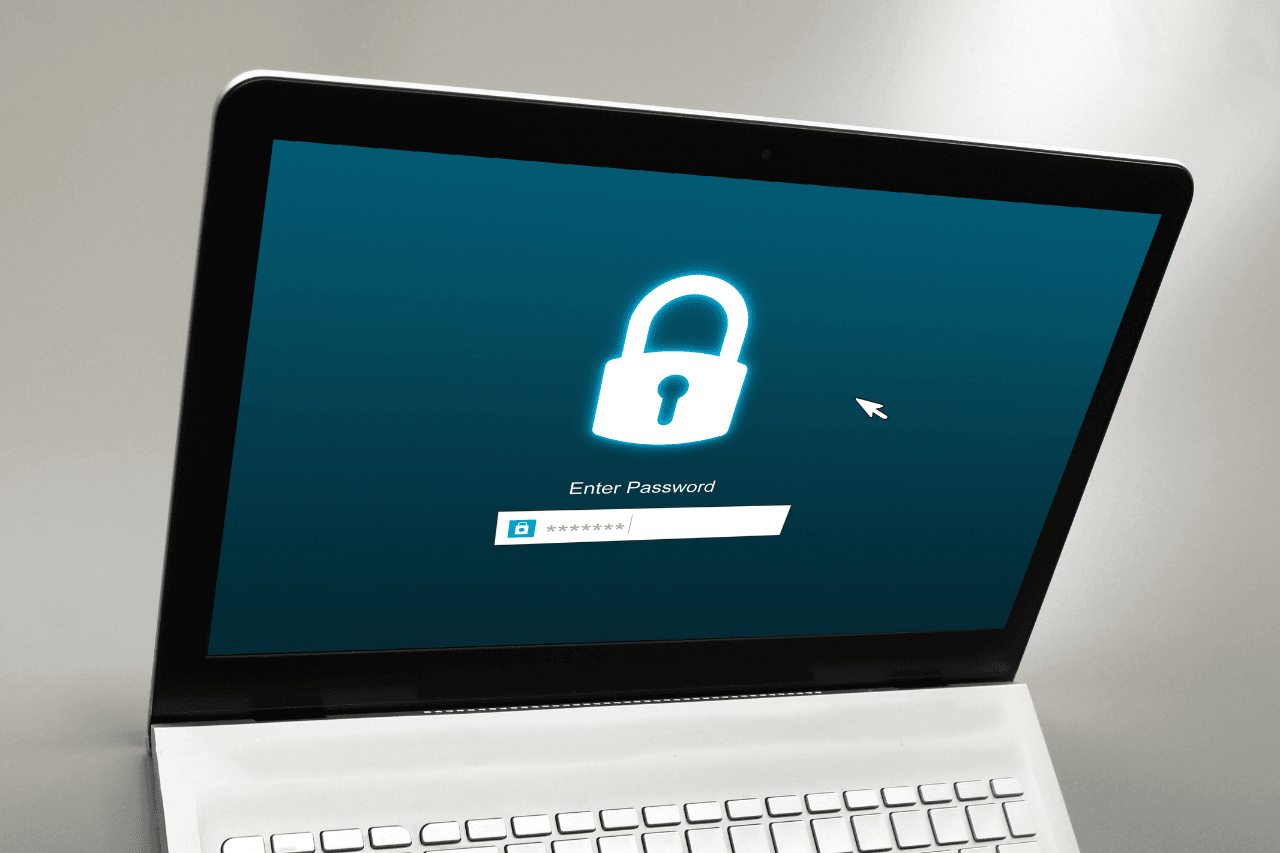


Digitalization has significantly transformed not only business processes but also government practices. One of the most important components of this transformation is the e-lien practice, which has become increasingly popular in recent years. E-lien, which can be applied to tax debts, social security premiums, traffic fines, and enforcement proceedings, is often a source of concern for individuals and businesses with debts.
What is E-Lien?
E-lien (Electronic Lien) is the process of government agencies electronically blocking a debtor's bank accounts or assets for the purpose of debt collection. It can be implemented by the Revenue Administration (GİB), the Social Security Institution (SGK), or enforcement offices.
This system digitizes the traditionally physical lien process:
transforming it into a faster,
more secure,
and more cost-effective process.
In short, e-lien is the government's digital access to a debtor's bank accounts or assets and placing a hold on them.
In What Situations Does E-Lien Apply?
E-lien is not a random process. It is triggered in certain situations, depending on the nature of the debt and the process:
1. Non-Payment of Tax Debts: The Revenue Administration (GİB) may apply e-lien if taxes such as Income Tax, Corporate Tax, VAT, MVT, and SCT are not paid on time.
2. Social Security Institution (SGK) Premium Debt: Unpaid premium debts of employers may be subject to the e-lien process by the SGK.
3. Traffic Fines and Administrative Fines: Traffic fines, environmental fines, or other administrative fines that remain uncollected for an extended period may be converted into e-lien.
4. Enforcement Files: In enforcement cases filed by private individuals, electronic lien requests can also be submitted to banks.
5. Disruption of Tax Restructuring: E-lien can be quickly implemented if the installments of restructured debts are delayed.
6. Failure to Pay the Notification: A payment order notification must be sent before e-lien. If payment is not made despite this notification, the process will be initiated.
Who Does E-Lien Affect?
E-lien can affect both individuals and businesses:
Natural persons
Company owners
Company partners (especially direct partners in sole proprietorships)
Legal entities
Commercial businesses
An important detail: In sole proprietorships, the debt belongs directly to the business owner. Therefore, e-lien can also be applied to personal bank accounts.
What Accounts and Assets Can Be Applied to E-Lien?
The scope of e-lien is quite broad and is not limited to bank accounts.
Bank Accounts
Current Accounts
Term Deposit Accounts
Commercial Accounts
POS Accounts
Virtual POS Pending Amounts
Supplementary Accounts/Checking Accounts
Credit Card Limits
Debt collection can be achieved by blocking the credit card limit.
Salary Accounts
Salary accounts can be garnished, but only a certain portion of the salary (around 25%) can be withheld.
Vehicles
Vehicle license plate and registration records can be electronically annotated.
Real Estate
An electronic garnishment record can be added to the land registry records.
Securities
E-garnishment can also be applied to assets such as stocks, mutual funds, and gold accounts.
How Does the E-Lien Process Work? Step-by-Step Explanation
The e-lien process is an automated mechanism and generally proceeds as follows:
Debt Incurrence and Overdue
A tax, premium, or penalty debt is incurred and payment is not made within the specified timeframe.
Payment Order Notification Is Sent
A payment order is sent to the debtor via e-Government or mail. At this stage, the debtor is granted the right to:
make payments,
restructure,
object.
If Payment Is Not Made Within the Deadline, E-Lien Initiates
When the deadline expires, the Revenue Administration (GİB) or Social Security Institution (SGK) system automatically sends electronic lien notifications to banks and relevant institutions.
Bank Accounts Are Blocked
The bank places a hold on accounts based on the e-lien notice. The blocked amount may be enough to cover the outstanding debt.
Collection is Completed
The amount in the account is transferred to the outstanding debt. The hold may continue for the remaining debt.
E-Lien Lifts When the Debt is Paid in Full
The e-lien lifts as soon as payment is made. While this process can take a few hours for some banks, it can take 1–3 business days for others.
How Long Does an E-Lien Last?
The e-lien period lasts until the debt is paid off. Once the debt is paid in full, the system automatically releases the lien.
However, due to banks' internal processes, the release process can sometimes occur with a short delay.
How Can I Find Out If an E-Lien Has Been Filed?
There are several ways to determine if an e-lien has been filed:
1. Via e-Government: The "E-Lien Inquiry" screen displays existing lien records.
2. Bank Notification: The bank issues a blockage message when the account becomes unavailable.
3. Interactive Tax Office: Debt and lien statuses can be viewed in real time.
How to Remove an E-Lien? (4 Basic Methods)
The following methods can be used to remove an e-lien:
Full Payment of the Debt
This is the fastest and most definitive solution. Once the debt is paid in full, the lien is removed the same day.
Restructuring (Instalment Payment)
You can stop the lien by restructuring the tax debt. The lien is usually temporarily lifted after the first installment is paid.
Disputing the Debt
If the debt is erroneous or does not belong to you, an objection can be filed within 15 days. If the objection is accepted, the e-lien is removed.
Partial Payment
In some cases, paying a portion of the debt can reduce the hold.
How Does E-Lien Pose Risks for Businesses?
E-lien can cause serious operational problems, especially for commercial businesses:
Cash flow may be interrupted.
Supplier payments may be delayed.
POS accounts may be blocked.
Salary payments may not be made.
Credit card limits may become unavailable.
Business reputations may be damaged.
Therefore, e-lien should be considered not only as a legal but also as a financial risk.
How Can Businesses Protect Theirself from E-Lien?
Businesses should establish digital monitoring and regular financial control mechanisms to reduce the risk of e-lien. The following methods are highly effective:
Regularly monitoring debt and payment due dates.
Automatic reminder systems should be used to avoid missed payment dates.
Using process management systems such as Bayioloji (Bayioloji)
Features such as digital debt reminders, current account tracking, and payment control reduce the risk of e-lien.
Enabling e-Government and Revenue Administration (GIB) notifications.
Mobile notifications should be kept active.
Regular communication with accounting.
Monthly finance meetings keep the business's debt burden under control.
Separating POS and business accounts.
A blockage on all accounts can completely halt the business.
Maintaining a secured structure.
When the structure is broken, e-lien is implemented very quickly.
Frequently Asked Questions
Is e-lien applied to salary accounts?
Yes, but it cannot exceed a certain percentage.
Does e-lien take the entire amount?
An amount equal to your debt is blocked.
Can e-lien be placed on a credit card?
Yes, the limit can be blocked.
Can e-lien reappear after being lifted?
It can be reapplied if the debt falls into arrears again.
Conclusion
E-lien is a secure and fast digital mechanism developed for debt collection. However, ignorance of the process can create stress and panic, especially for businesses. Therefore, the most effective way to protect yourself from e-lien is to regularly track your debts, use digital alert systems, and maintain control over your financial processes.
Subscribe to Bayiloji
Don't miss updates, tips and special deals in the world of dealership.